Queensland coast and island passages
Consider this style if you want unhurried time near the islands and a smaller group for shore visits. Ask which ports are planned and how long the vessel stays.
Ask about coastal sailingsLuxury and expedition
After a large-ship sailing, a smaller vessel can change the whole pace of a trip. Explore Australian cruise packages built around reef access, wild coastlines and time ashore with local context.
We’ll help you compare the ship, guides and itinerary before you commit. Access is the point.
Enquire about premium voyages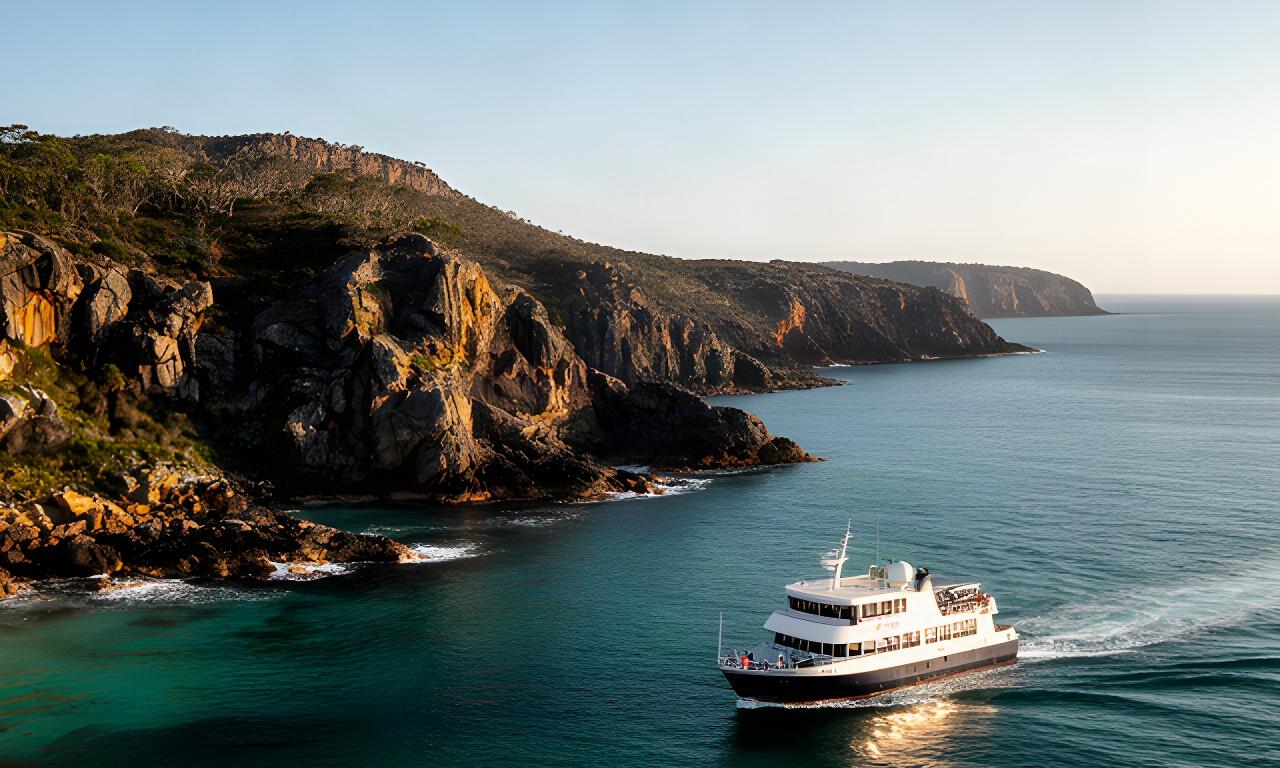
Selected voyage styles
Smaller passenger numbers can mean a quieter onboard day and access to ports that larger ships may pass by. The right fit depends on how you like to travel.
Consider this style if you want unhurried time near the islands and a smaller group for shore visits. Ask which ports are planned and how long the vessel stays.
Ask about coastal sailingsCompare itineraries by their reef access, not only by the destination name. We can help you check whether a sailing reaches outer-reef sites and what water activities are planned.
Discuss reef itinerariesThese voyages suit travellers who value coastal scenery and wildlife viewing over a packed port schedule. Some departures also place more emphasis on photography and time on deck.
Ask about Tasmania voyagesLook for a clear link between the onboard programme and the places visited ashore. A slower itinerary leaves more room to understand a region’s food, history and people.
Explore culinary voyagesDeparture dates, vessel capacity, inclusions and fares depend on the operator and sailing. We’ll confirm current details before you decide.
Before you book
An expedition day can start early, change with the weather and include transfers by tender or small boat. It’s a more active way to travel, with less certainty about the exact order of each stop.
That flexibility is part of the plan. The captain may adjust a route for sea conditions, wildlife or safe landing access.
Ask how often landings are planned, how long they last and whether there are quieter alternatives onboard.
Boarding small craft and walking on uneven ground can be challenging. Share any access needs before booking so the operator can explain what is practical.
Some itineraries prioritise walks and water activities; others offer more time observing from the ship. Compare the daily programme with your own comfort and fitness.
Flexibility is part of the plan. For more on staying comfortable and active at sea, see our active and wellness cruise guidance.
North Queensland
Reef itineraries differ in how far offshore they travel and how guests reach the water. Check the planned sites, time at each location and whether snorkelling or diving is available on your specific sailing.
Route details matter. Weather and sea conditions can affect access, so ask how an operator handles changes and what alternatives are included.
Look for named reef areas or specific planned stops, rather than relying on a broad destination label.
Confirm equipment, guidance and any participation requirements before you book. Not every vessel offers the same options.
Ask about the expected conditions for your dates and how they may shape time on the water. Browse our Australian destinations and departure-port guide.
Southern waters
Tasmania’s rugged coast rewards a slower itinerary. Smaller vessels can spend time near remote shorelines, though wildlife sightings are never guaranteed.
Quiet decks help. Bring a camera suited to changing light, and ask whether the voyage includes naturalist commentary or dedicated photography time.
Check which sections of coastline are planned and how the ship approaches wildlife areas responsibly.
Some sailings allow more time on deck at useful light, while others follow a broader sightseeing schedule. Compare the daily plan before choosing.
Wind and changing conditions can shape time outdoors. Ask what sheltered viewing areas are available onboard.
See our destination guide for more Australian coastal planning, and read about active cruise options.
A sense of place
A strong food and wine programme connects what’s served onboard with the regions on the itinerary. Ask who leads tastings, where ingredients come from and whether shore visits are part of the fare.
Go ashore hungry. Heritage ports reward time to listen and look beyond the main street.
Check the actual onboard schedule and any included visits, rather than relying on a general culinary label.
Ask who leads each visit and how much unhurried time is allowed at the port.
Look for experiences led or approved by the relevant community, with clear context and respectful representation. Our inclusive travel information can help you plan the conversation.